A good makers market stall is rarely about having the biggest display or the lowest prices. It comes down to preparation, clarity and a few small decisions made before the day.
At Culture Curated we work with creatives and artisans at our makers markets, and the stalls that do well tend to share the same habits. Here they are.
Know who you are selling to
Before you pack anything, decide who your stall is for. A shopper walking past gives you only a few seconds, so your products, signage and display should answer one question quickly: what do you make, and is it for me?
Choose your range with care
Bringing everything can make a stall feel cluttered and harder to read. Aim for a clear core range, a few best sellers, and a small selection of lower priced items for people who want to buy something today. Gift sized products often sell well at markets, but check what your own customers respond to.
Price clearly
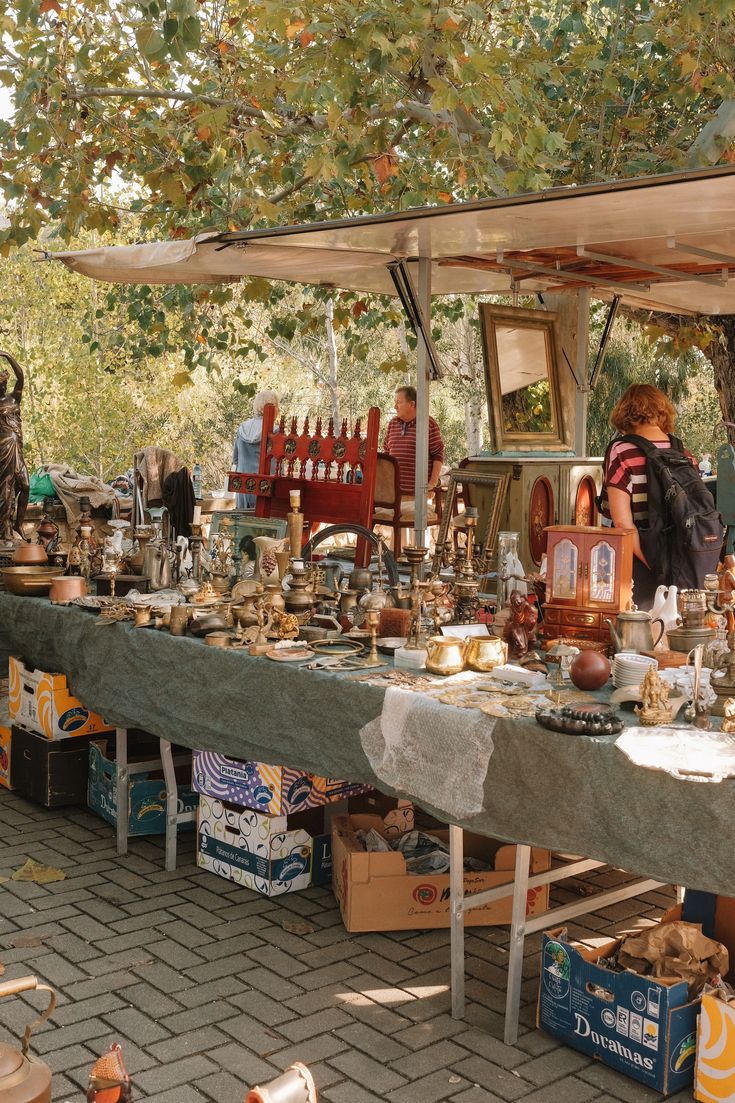
Visible prices remove a barrier. Many shoppers will not ask if a price is hidden. Make sure your prices cover your materials, your time and the cost of the stall, and keep a simple price list or labels on every item.
Design your display
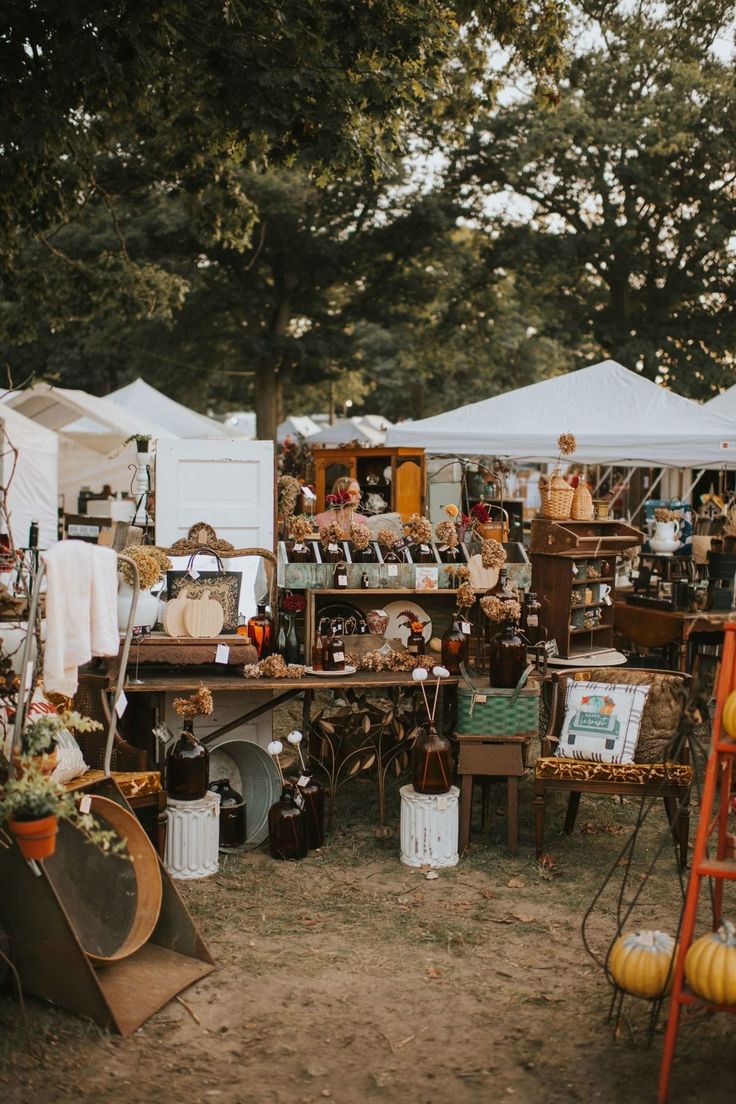
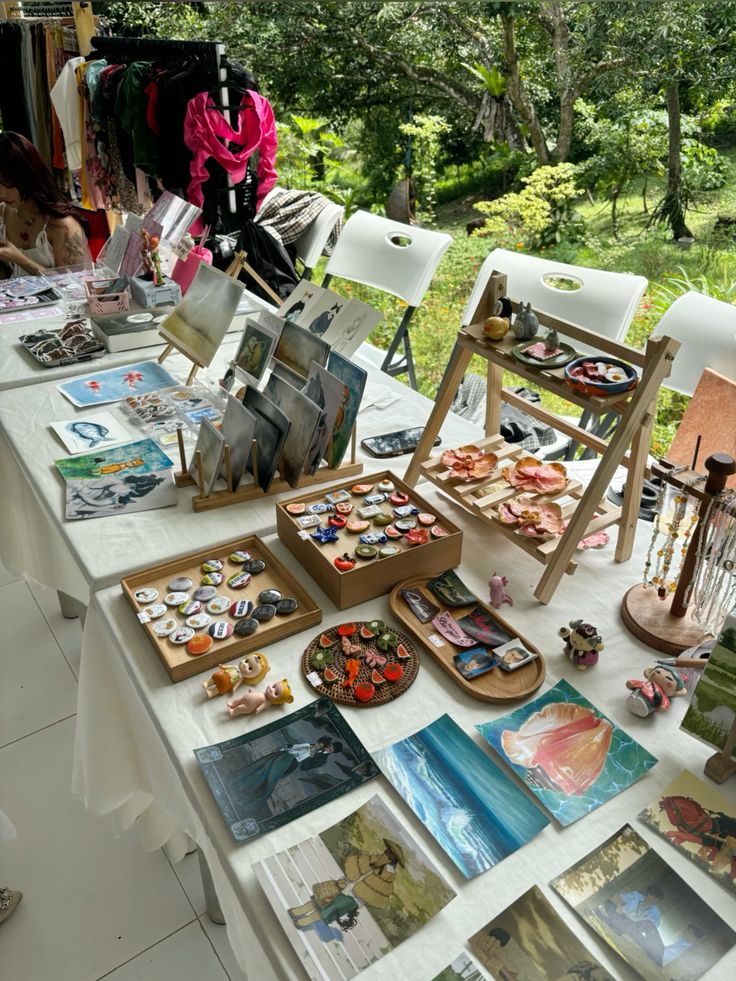
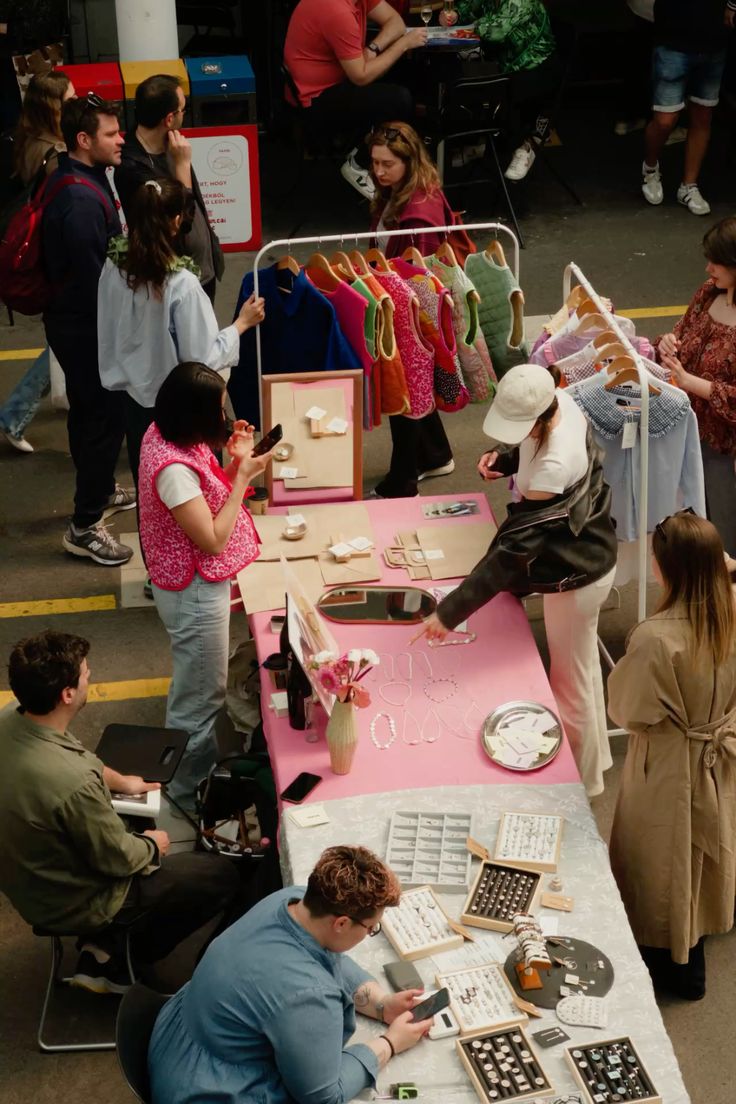
- Use height. Crates, risers and shelves help your products catch the eye from a distance.
- Keep it clean. Leave breathing room around each product.
- Make your name visible. A clear sign with your business name and what you make helps people remember you.
- Show process. Photos or a small sample of how you make your work give people a reason to stop and talk.
Be ready to take payment
Bring a card reader and check it is charged and connected before you leave. Many customers no longer carry cash, so a stall that only takes cash may lose sales. A small amount of change is still sensible.
Talk to people, gently
You do not need a hard sell. A warm hello and a simple line, such as “feel free to pick things up,” is often enough. Be ready to say in a sentence what you make and what makes it different.
The stalls that stand out are not always the fullest. They are the ones where a shopper can understand the maker’s point of view before a single word is spoken.
Collect contacts, not only sales
A market is a chance to build an audience. Put your Instagram handle and a mailing list sign up on the stall, and offer a business card with every purchase. Many customers decide to buy from you later.
Market day checklist
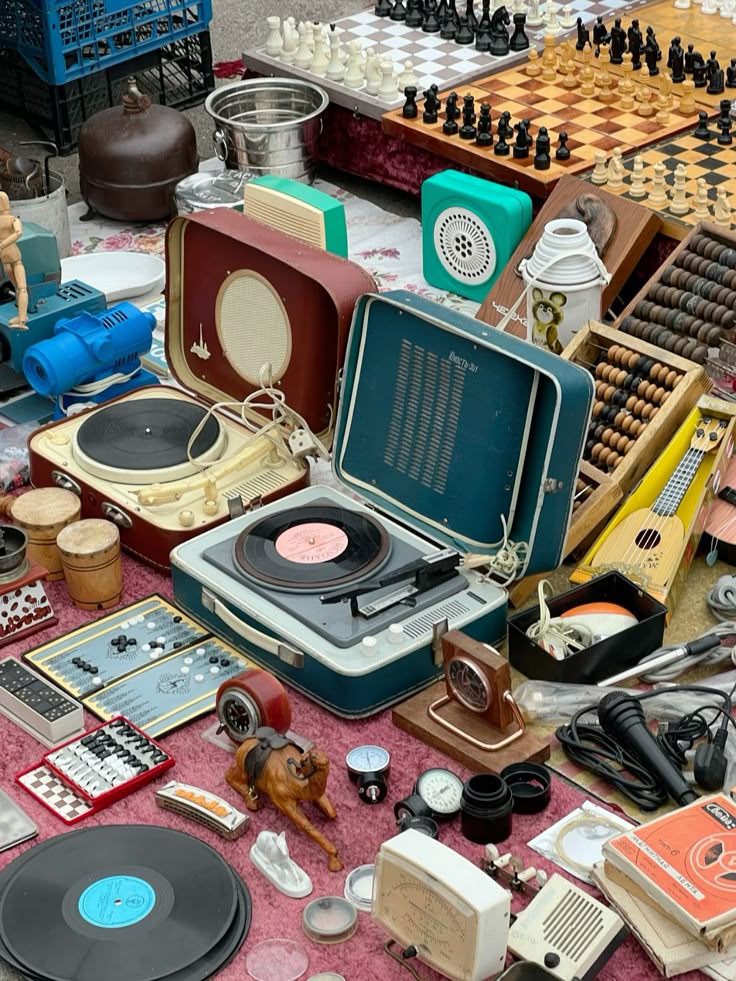
- Stock, plus a little extra of your best sellers
- Table, covering and display pieces
- Price labels and signage
- Card reader, charger and a small amount of change
- Bags or packaging
- Business cards and a mailing list sign up
- Water, snacks and weather cover if needed
After the market
Note what sold, what did not, and what people asked about. That record helps you plan your next stall, and it helps you decide which markets are worth returning to.