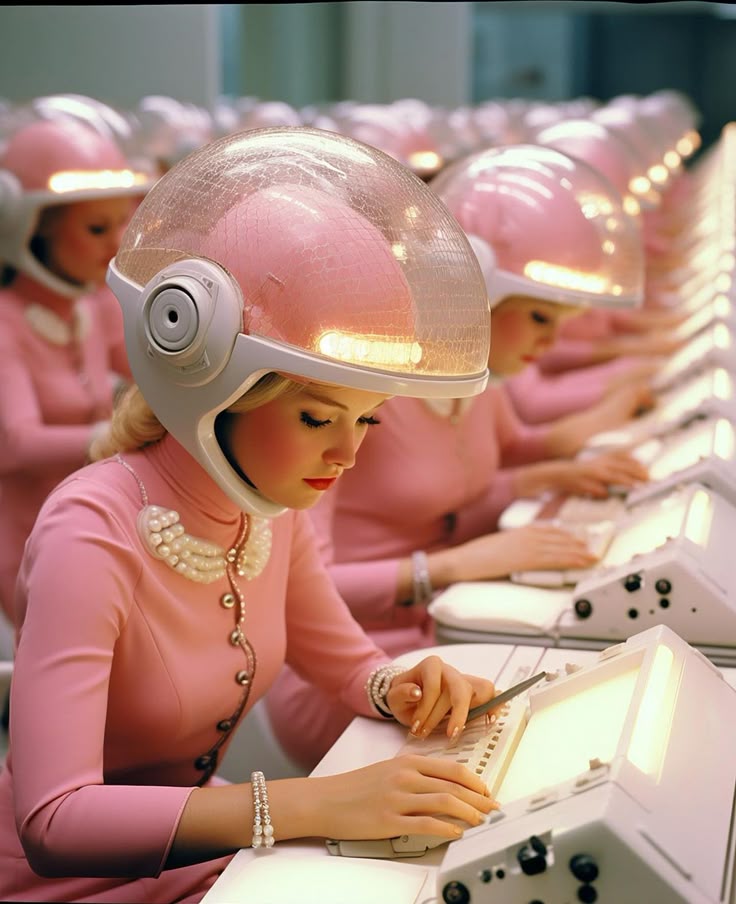
Earlier this week I joined an AI workshop in London made just for women. I met ambitious women of all ages and backgrounds, and it was refreshing to learn about AI in a room where everyone felt able to ask questions.
It got me thinking about why spaces like this matter, and what the evidence says.
The gap is real
AI is shaping how we work, create and make decisions, yet the people building it do not reflect the people using it. The Alan Turing Institute reported that women made up around 20% of data science and AI professionals in the UK, while a 2024 estimate put women at 21% of UK AI professionals. Read the Turing Institute summary ↗︎ Read the 2024 commentary ↗︎
The Turing research also found disparities in status, pay, seniority and technical roles. Women were more likely to report data preparation and exploration skills, while men more often reported machine learning, computing and other skills associated with higher-paid work. The researchers noted that high-quality, disaggregated data remains limited, so these figures are best read as an indication of the scale and shape of the gap rather than a precise headcount.
Why it matters beyond fairness
This is not only about equal opportunity. Researchers have argued that under-representation can create a feedback loop, where social bias is built into AI systems and then amplified. The more varied the people designing and testing these tools, the more likely they are to reflect a wider range of experiences and work well for everyone.
What a women-only space can offer
A single event will not close a workforce gap, and women-only spaces are one tool among many. Based on what many women report, and on my own experience, they may help in a few ways.
- Easier questions. Beginners can ask the basic questions without worrying about being judged.
- Visible role models. Seeing women lead and teach in the field may make it feel more reachable.
- Confidence. The Turing research found that women tend to list fewer skills on their professional profiles than men. A supportive room can be a good place to practise speaking up.
- Real connections. Meeting women at different stages of their careers builds the kind of network that opens doors.
- A starting point. For many people, a first step in a welcoming space makes it easier to join mixed rooms later.
Why this matters for creative founders
Many women running creative businesses are already using AI for tasks such as writing product descriptions, planning content and managing admin. Understanding how these tools work, and where they fall short, helps you use them with confidence and keep your own voice.
At Culture Curated, we run AI workshops and business consultancy aimed at making AI a practical part of your work rather than an abstract idea.
Where to start in London
- Look for women-led AI and tech communities and events in London.
- Try a beginner-friendly workshop before committing to a course.
- Bring a real task from your own business, so what you learn is immediately useful.
- Share what you learn with other women in your network.
What would make an AI space feel welcoming to you? We would love to hear what you would like to see more of.
The more varied the people building these tools, the better they can work for everyone.